%20(3).png)
How to Reduce Muscle Soreness After Training
- Carlos Sanchez
- hace 4 días
- 5 min de lectura

A hard workout, a long hike, an unfamiliar hotel mattress, or hours at a desk can leave your body feeling heavy the next day. To reduce muscle soreness, the goal is not to force your way through discomfort or lie still all day. It is to give tight, fatigued tissues the right mix of movement, recovery, and hands-on care so you can return to normal activity with better comfort and mobility.
Muscle soreness is common when you challenge your body in a new way, increase training volume, sit for long periods, or travel. The best recovery approach depends on what caused the soreness, how intense it feels, and what you need your body to do next. A runner preparing for another session has different needs than an office worker with tight shoulders after a demanding week.
Why muscles feel sore after activity
After unaccustomed or demanding activity, muscles can feel tender, stiff, or less willing to move through their usual range. This often shows up a day after the activity rather than immediately. Hills, strength training, long walks, heavy lifting, and activities with controlled lowering movements are common triggers.
Soreness does not always mean you had an especially effective workout. It can simply mean the load was new, greater than usual, or poorly matched to your current recovery capacity. Treating severe soreness as a badge of honor often leads people to compensate, move less efficiently, or skip the recovery habits that would help them feel better.
Daily tension can create a similar experience. When the neck, shoulders, hips, or lower back stay in one position for too long, the body may feel stiff and achy even without a workout. Travel fatigue, reduced sleep, dehydration, and stress can make that tension feel more pronounced.
How to reduce muscle soreness without stopping completely
The most useful first step is gentle movement. A short walk, easy cycling, relaxed swimming, or mobility work can help you feel less stiff than complete inactivity. Keep the effort easy enough that you can breathe and talk comfortably. This is recovery work, not another training session.
If your legs are sore after training, try a brief walk and a few controlled movements such as bodyweight squats within a comfortable range. If your upper body feels tight after desk work or travel, slow shoulder circles, gentle chest-opening movements, and an easy walk can be more productive than repeatedly stretching one painful spot.
The key is response. Mild stiffness that eases as you move is different from discomfort that becomes sharp, unstable, or increasingly painful. Do not push through the second pattern. Scale back and give your body time to settle.
Use mobility, not aggressive stretching
Stretching can feel good, but more is not always better. Long, forceful stretches on very sore muscles may leave you feeling more irritated. Instead, use comfortable, controlled mobility: move a joint through a range that feels manageable, pause briefly, then return.
For tight hips after sitting, this might mean gentle hip rotations and a supported lunge position. For a stiff upper back, try slow rotations and reaching movements. Assisted stretching can also be useful when it is adapted to your comfort and current range of motion. The purpose is to restore easier movement, not to prove how far you can stretch.
Eat and drink for recovery
Recovery is harder when the basics are missing. After demanding activity, eat regular meals that include protein and carbohydrates. Protein supports normal muscle repair processes, while carbohydrates help replenish energy used during training. You do not need a complicated protocol for most workouts. A balanced meal within the next few hours is a practical place to start.
Hydration matters too, especially in Medellín's active lifestyle, after long flights, or when you have spent time in the heat. Drink water consistently through the day, rather than waiting until you feel depleted. If you have been sweating heavily, including fluids and food with electrolytes may be helpful.
Avoid treating alcohol, missed meals, and poor sleep as separate from recovery. They often show up in the body as longer-lasting fatigue, greater stiffness, and lower energy for movement the next day.
Give sleep a real role
A recovery plan is only as good as your sleep allows. One imperfect night is normal, but several short nights can make soreness feel harder to manage. Aim for a consistent sleep schedule when possible, especially during periods of higher training or stressful work demands.
Create a simple transition into sleep: reduce late-night screens when you can, eat enough during the day, and avoid turning intense training into a late-evening habit if it leaves you too stimulated to rest. If tightness makes it hard to get comfortable, a warm shower, light mobility, or a short walk earlier in the evening may help you settle.
When therapeutic bodywork can help
Massage therapy is not a replacement for rest, food, hydration, or sensible training progression. It can, however, be a practical part of a recovery plan when muscle tightness is limiting how comfortably you move or relax.
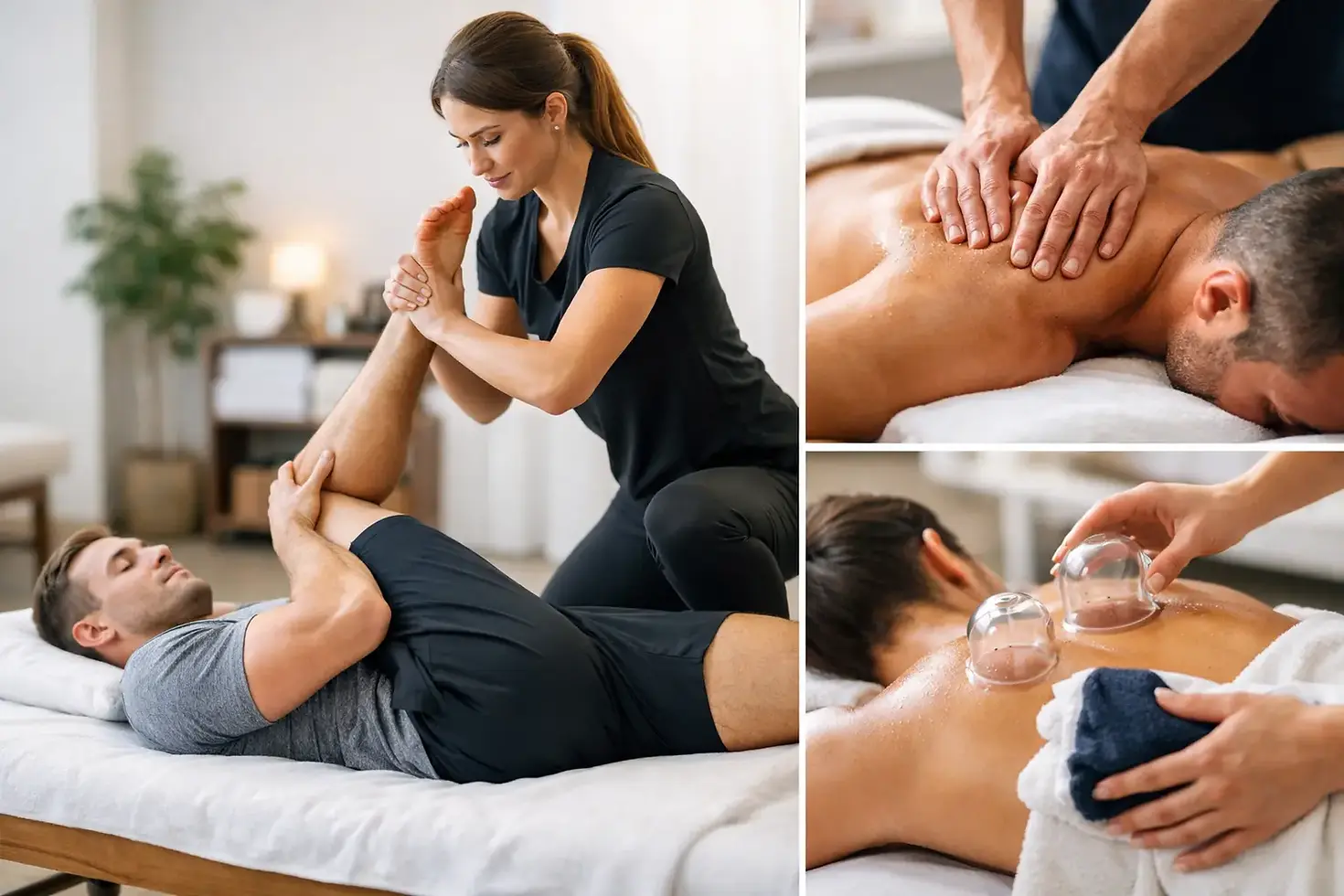
A personalized sports massage may be helpful after demanding training, while deep tissue massage can focus on persistent areas of tightness when the pressure is appropriate for the client. Myofascial release and trigger point therapy can be used to address restricted-feeling areas in the shoulders, back, hips, or legs. Thai massage assisted stretching can be a good option for people who feel generally stiff and want to improve comfortable mobility.
The right technique depends on timing. Immediately after an exhausting event, very deep pressure may not be what your body needs. A lighter, recovery-focused session may be more appropriate. On the other hand, recurring tension from work posture, training habits, or travel may benefit from more focused work over time.
At San Carlos Therapy Center in El Poblado, sessions are tailored to what your body is dealing with that day, whether that is leg fatigue after training, a tight upper back after travel, or hip stiffness from long hours at a desk. Clear communication matters. Tell your therapist what activity caused the soreness, where you feel restricted, what pressure feels useful, and what movement you want to return to.
Prevent the next round of soreness
The most reliable way to reduce muscle soreness over the long term is to progress gradually. Increase weight, distance, intensity, or frequency in manageable steps rather than changing everything at once. New shoes, a new class, hill repeats, and a return to exercise after time away all deserve a slower ramp-up.
Build recovery into your schedule before you need it. If you know a hard workout, long workday, or travel day is coming, plan an easier day afterward. Keep easy movement available, prioritize meals and sleep, and avoid stacking multiple high-demand activities without enough space between them.
A brief warm-up can also make a difference in how your body feels during activity. Choose movements that resemble what you are about to do: a few minutes of walking before a run, easy bodyweight movements before lifting, or shoulder and upper-back mobility before a long desk session. The goal is preparation, not exhaustion.
Know when to pause and get support
Typical soreness is usually broad, dull, and improves gradually. If discomfort is severe, follows a fall or impact, comes with major swelling, numbness, weakness, fever, or makes it difficult to use a limb normally, stop training and seek prompt guidance from a qualified health professional. Persistent or worsening pain also deserves individual assessment rather than repeated self-treatment.
For ordinary tightness and post-activity fatigue, listen to the smaller signals before they become bigger interruptions. An easier training day, a nourishing meal, a good night of sleep, and skilled bodywork at the right time can help your body feel ready for the work, travel, and movement you enjoy.


Comentarios